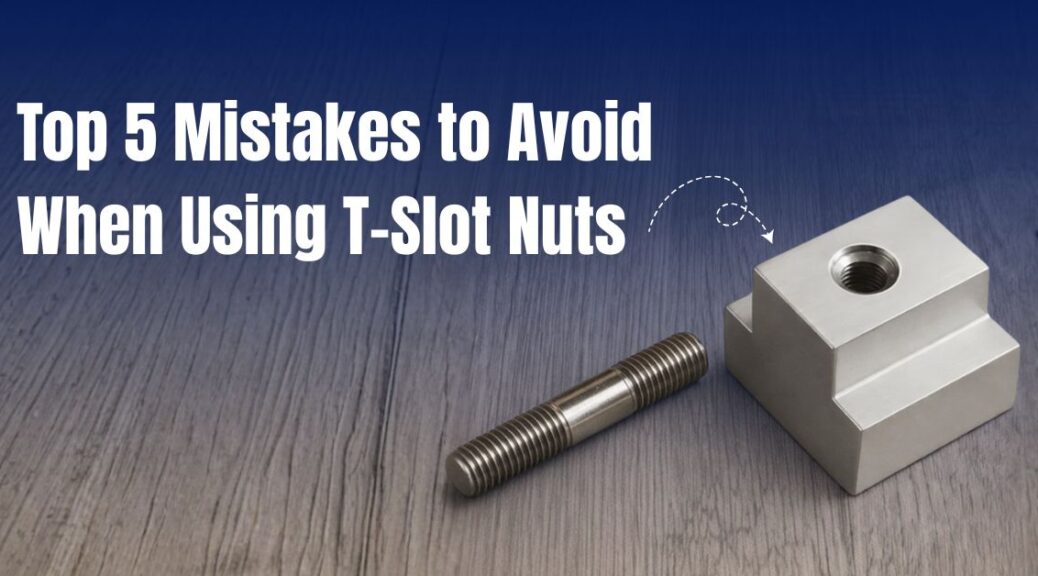
Good results start with proper workholding. If the setup moves, even slightly, accuracy disappears fast. Surface finish suffers. Measurements drift. Tools wear unevenly. Most of the time, the machine is not the problem. The setup is.
Here’s the thing. T-slot nuts are one of the most important parts of a machine table setup, even though they rarely get much attention. They hold fixtures and workpieces securely to the table and help keep everything stable under load. When the wrong T-slot nut is used or installed poorly, problems tend to show up quickly once machining begins.
At George H. Seltzer & Co., T-slot nuts are manufactured for machine shop applications where fit, holding strength, and repeatability matter every day. And after years of machining operations, the same setup mistakes continue to appear in shops of every size.
Using the Wrong Size
This is probably the most common mistake.
A T-slot nut has to match the machine table slot correctly. Not almost correctly. Correctly. If the fit is loose, the nut can move under pressure and create vibration during machining. That movement may seem minor at first, but it quickly affects accuracy and consistency.
Forcing the wrong size into the slot creates different problems. Poor seating affects alignment and can damage the table itself over time.
The basics matter here. Proper slot dimensions. Proper thread size. Components that are designed to fit together properly.
Installing the T-Slot Nut Incorrectly
A T-slot nut should sit fully and cleanly inside the slot before tightening begins.
If the nut is tilted or not seated correctly, clamping pressure becomes uneven across the setup. That uneven pressure often leads to movement during machining, especially under heavier cutting loads.
People rush this part more than they should. A careful setup usually saves far more time than troubleshooting vibration or alignment problems later.
Ignoring the Load on the Setup
Not every machining operation creates the same amount of force.
A light drilling setup places very different stress on workholding components than aggressive milling or repeated production work. Yet setups are often treated the same regardless of the operation.
That is where instability starts creeping in. The setup begins shifting. Vibration increases. Repeatability gets worse.
T-slot nuts need to match the demands of the application. Strong workholding depends on choosing hardware that can handle the load without compromise.
Over-Tightening Everything
Some operators assume tighter automatically means more secure.
Usually it means damaged threads.
Excessive tightening puts unnecessary stress on the setup and shortens the life of the hardware. Too little tightening creates movement during machining. Neither helps.
What matters is controlled clamping pressure. Enough force to hold the setup securely without overstressing the components themselves.
Experienced machinists develop a feel for this over time. Stable setups feel solid without being forced.
Ignoring Wear and Damage
T-slot nuts deal with constant pressure, vibration, and repeated use. Over time, threads wear down. Surfaces lose their fit. Damage starts building gradually.
The problem is that worn hardware rarely fails immediately. It slowly affects holding performance first. Accuracy becomes inconsistent. Setups stop feeling stable.
Regular inspection matters because small signs of wear usually turn into larger setup problems later.
Why This Matters More Than People Think
Poor workholding creates expensive problems. Scrap parts. Inconsistent tolerances. Lost production time. Sometimes there is damaged equipment.
A stable setup changes the entire machining process. Cuts stay cleaner. Fixtures remain secure. The machine performs the way it is supposed to.
Honestly, the best workholding setups are usually the ones nobody notices because nothing shifts, nothing vibrates, and nothing needs constant adjustment.
That is exactly the goal.
font-size: 22px; transition: 0.3s ease; } .ghs-faq-item.active .ghs-faq-question::after { content: ‘−’; } .ghs-faq-answer { display: none; padding: 20px; font-size: 15px; line-height: 1.7; border-top: 1px solid #e5e5e5; } .ghs-faq-item.active .ghs-faq-answer { display: block; }
FAQs
A T-slot nut fits inside a machine table slot and provides a secure fastening point for fixtures and workholding setups during machining operations.
Incorrect sizing can cause movement, vibration, poor alignment, and reduced machining accuracy.
T-slot nuts are commonly machined from cold-finished steel bar stock and case-hardened for strength and durability.
Regular inspection helps identify wear or thread damage before it affects setup stability and machining performance.